How to Connect Vision to Financial Need in Your Church
People give to vision, not budgets. When giving is soft, the problem is usually not that your church is stingy. It is that the need has been described as a shortfall instead of a mission. This is a pastor's guide to turning a line-item need into something your people actually want to fund, and to making the ask without it feeling like a fundraiser.
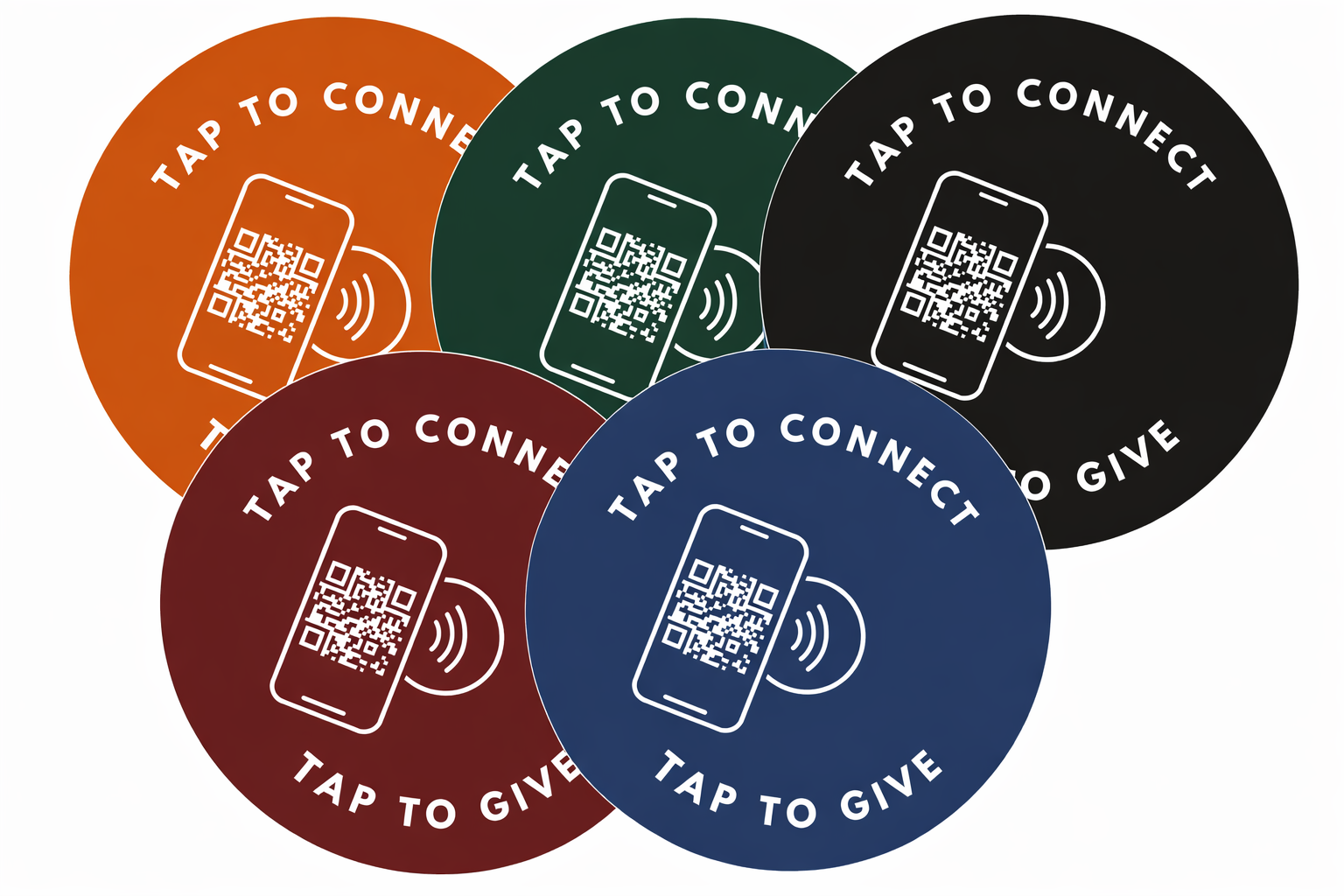
See your church's plate and price in 30 seconds
Design it yourself on the next page. From $3.50 per plate, free shipping, no monthly fees.
Why Do People Give to Vision Instead of Budgets?
A budget describes how a church spends money. A vision describes why the church exists. People will sacrifice for the second one and stay indifferent to the first, because nobody was ever moved by a line item.
Giving to churches is not a small or shrinking impulse. It is the largest single category of charitable giving in America, ahead of education, human services, and health, according to Giving USA's annual report. People want to give to their church. The question is almost never whether the generosity exists. It is whether the ask connects to something the giver already cares about.
That is why the same need lands so differently depending on how you name it. "We are behind on the general fund" tells a giver the church has a problem and invites them to plug a hole. "Your giving is why forty kids will hear about Jesus at camp this summer" tells a giver what their money does and invites them into a story. The dollars are identical. The response is not.
How Do You Turn a Line Item Into a Vision People Will Fund?
The move is simple to describe and easy to skip: translate every number into the change it makes in a real person's life before you ever say the number out loud. The budget is the input. The vision is the output. Lead with the output.
Here is the same church budget, said two ways. The left column is what shows up on the annual report. The right column is what your people are actually funding.
| The line item (the budget) | The vision (what the gift does) |
|---|---|
| Youth ministry: $18,000 | A place where sixty middle schoolers are known by name on the hardest year of their lives |
| Benevolence fund: $12,000 | The reason a single mom in our zip code had groceries and made rent last month |
| Facilities: $40,000 | A warm, safe, open building where two hundred people meet God every week |
| Staff: $95,000 | People whose full-time job is caring for our church so nothing falls through the cracks |
Tie every number to a face and an outcome
Before you talk about money, decide what story you are telling: a name, a moment, a changed situation. Then let the number serve the story instead of the other way around. If you cannot connect a giving ask to something a person in your church would care about, that is a signal to pause and reconnect the budget to the mission before you ask anyone to fund it.
This is not spin. The right column is the true reason the left column exists. If you cannot fill in the right column, you have found a real problem, and no clever wording will fix a program your own church cannot say the point of. Reconnect the budget to the mission first, then ask.
How Do You Make the Ask Without It Feeling Like a Fundraiser?
Most of the awkwardness around a specific ask comes from two habits: burying the number so deep nobody knows what you actually need, and apologizing for asking at all. Both teach the congregation that money is an uncomfortable subject. The fix is to be clear, confident, and specific.
Name the exact need out loud. "We need to raise $22,000 by the end of September to keep the food pantry open through the winter" is a real ask. "We could always use your continued support" is not, and vague asks get vague responses. People fund a number they can picture themselves helping close.
Here are three ways to frame the same specific ask, each leading with the vision and none of them apologetic:
The outcome first, the number second
"We want every kid in our neighborhood at camp this summer, no matter what their family can pay. That is $8,000 in scholarships. Here is how you can send a kid."
The invitation, not the demand
"If this is your church home, this is your mission too. We are asking the people who call this place home to help us finish the year strong, and we will tell you exactly where it goes."
The progress, so people can join something moving
"We set out to raise $22,000, and as of this morning we are at $16,400. We are close. Would you help us cover the rest this week?"
Notice what none of these do. They do not shame anyone, they do not hide the number, and they do not pretend the church does not need money. Confidence about a good mission is not pushy. It is honest. For more on making money a normal subject rather than a once-a-year emergency, see our guide on how to increase giving without turning every Sunday into a money talk.
What About the Boring Needs, Like a Roof or a Mortgage?
Some needs are genuinely hard to make inspiring. A new roof, a parking lot, a mortgage payment, a boiler. Nobody wakes up excited to fund a boiler. The mistake is asking people to give to the boiler. Ask them to give to what the boiler protects.
The building is not the vision. It is the shelter for the vision. The roof keeps the student room dry. The mortgage keeps the doors open for the recovery group that meets on Thursday nights. Name the ministry that lives inside the boring need, and the unglamorous line item becomes fundable, because now you are not asking for a roof. You are asking to keep a room open where lives are changing.
The same principle rescues the general fund, which is the hardest thing of all to make a vision out of. Do not ask people to fund "operations." Ask them to fund the ordinary, unglamorous faithfulness that makes everything else possible: the lights, the staff, the Tuesday counseling nobody sees. That is a vision too. It is just a quieter one.
How Do You Keep Vision and Money Connected After the Ask?
The connection between vision and giving is not built in a single sermon. It is built by closing the loop, over and over, so people learn that their giving actually did what you said it would. An ask that is never reported back on quietly teaches people that the vision was just a way to get their money.
So report back specifically. "You sent twelve kids to camp." "The pantry stayed open, and here is a note from a family it fed." "We paid off the roof, and the student room is dry for the first time in three winters." Showing where the money went is the single most powerful trust-builder a church has, and it is the thing most churches skip. We wrote a whole guide on building giving trust through transparency, because it matters that much.
Do this consistently and something changes in the culture. People stop giving to close a gap and start giving because they have seen, with their own eyes, that generosity through your church works. That is the shift from a fundraising church to a culture of generosity, and it is worth the patience it takes.
A Simple Framework for Your Next Ask
The next time you have a real financial need, run it through four steps before you say a word from the platform.
- Name the outcome. What changes in a real person's life if this need is met? Say that first, in one sentence, with a face attached.
- Name the number. State the exact amount and the exact deadline. Vague asks get vague responses.
- Make it easy to say yes. Give people a way to respond in the moment the vision lands, before the feeling fades. A giving page they can find, a QR code, a plate on the seat back.
- Close the loop. Tell them what their giving did. This is the ask for next time, made in advance.
Step three is where more good asks die than anywhere else. A giver is genuinely moved in the moment, reaches for a way to respond, cannot find the giving page, does not carry cash, and the impulse passes. The generosity was real. The path to act on it was not there. Removing that friction does not manufacture generosity, but it stops you from losing the generosity you already stirred up.
The friction is where the impulse goes to die
This is the small, unglamorous problem I kept running into as a pastor, and it is why I built Tap.Giving. A giver is ready in the moment, and the giving needs to be as fast as the feeling. Our plates let someone tap their phone on the seat back and land straight on the giving page your church already uses. There is no app to download and no URL to type.
We sell the plates. You keep the giving platform you already chose. Tap.Giving plates are $3.50 to $5.00 each, one-time, with free shipping and no monthly fees. If you have connected the vision to the need and stirred up real generosity, the last thing you want is a giving path that lets it slip away.
FAQ
Why do people give to vision instead of budgets?
A budget describes how a church spends money. A vision describes why the church exists. People are moved to sacrifice for a mission they believe is worth it, not for a spreadsheet. A line item like "facilities: $40,000" tells a giver nothing about what their gift accomplishes, while "a warm, safe building where two hundred people meet God every week" tells them exactly what they are funding. The dollars are identical. The response is not.
How do you make a specific financial ask without it feeling like a fundraiser?
Lead with the outcome, name the exact need, and invite rather than pressure. Say what the money will do in the life of a real person, then state the number plainly, then give people an easy way to respond. Keep it short and confident, and never apologize for asking, because an apology teaches the congregation that money is an uncomfortable subject.
What about needs that are not inspiring, like a roof or a mortgage?
Connect the boring need to the ministry it protects. Nobody is moved by a mortgage, but people are moved by "the room where our students meet on Wednesday nights." The building is not the vision, it is the shelter for the vision. Name what the roof keeps dry and the mortgage keeps open, and the unglamorous need becomes fundable.
Related Articles
How to Build a Culture of Generosity in Your Church
The bigger picture this post fits inside: lead with vision, talk about money without cringing, and teach giving year-round.
GuideHow to Increase Online Giving at Your Church
Practical, tested ways to grow digital giving once you have connected the vision to the need.
TrustBuilding Church Giving Trust Through Transparency
How showing where the money goes turns a one-time ask into ongoing, confident generosity.