How to Build a Culture of Generosity in Your Church
A culture of generosity is what you have when giving is a normal, joyful, expected part of following Jesus at your church, not a subject you only raise when the budget is tight. You build it the same way you build any part of church culture: you teach it, you model it, you make it easy, and you keep at it long after the annual push is over.
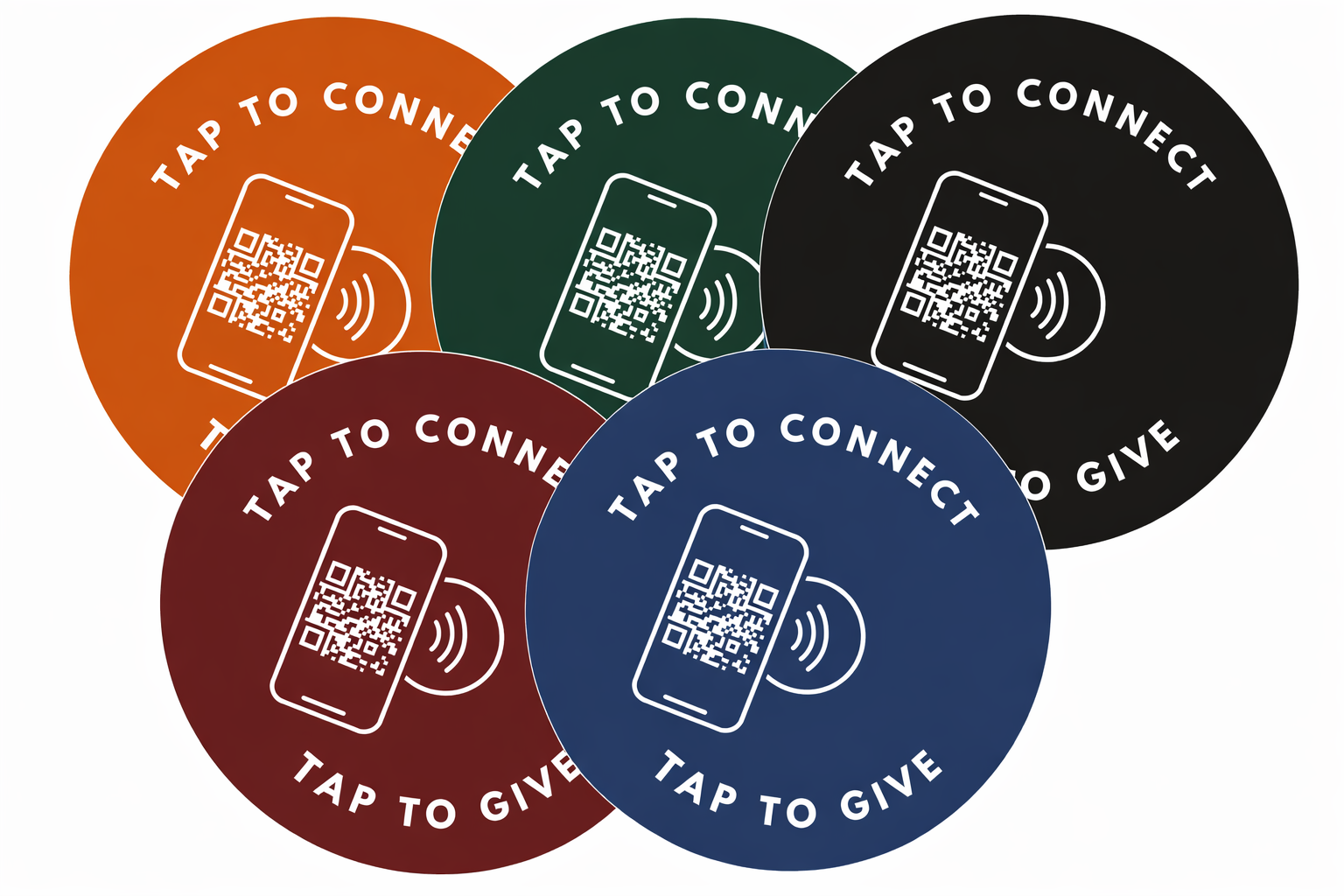
See your church's plate and price in 30 seconds
Design it yourself on the next page. From $3.50 per plate, free shipping, no monthly fees.
What a Culture of Generosity Actually Means
A culture of generosity is a discipleship outcome, not a fundraising result. When it is present, people give because they believe in what the church is for, they trust how the money is handled, and giving is easy to do. The offering stops feeling like a request and starts feeling like a response.
The clearest test is what happens when you are not asking. A church running a good annual campaign can raise money. A generous church gives faithfully in February, in the middle of a heat wave in July, and the week after a hard elders' meeting nobody knew about. The giving is not tied to the pressure. It is tied to the people.
That distinction matters because it changes the job. If giving is a fundraising problem, you solve it with a better campaign. If giving is a culture, you build it slowly, on purpose, through the ordinary rhythms of the church. Everything below assumes the second one is true, because in my experience it is.
Start With Vision, Not the Budget
People give to vision, not to budgets. Nobody was ever moved by a line item, but people will sacrifice for a mission they believe is worth it. The first move in building generosity is to make sure your people can say, in one sentence, what their giving is actually accomplishing.
Compare two ways of saying the same thing. "We need to cover the shortfall in the general fund" tells a giver the church has a problem. "Your giving is why a single mom in our neighborhood had groceries this week, and why forty kids will hear about Jesus at camp this summer" tells a giver what their money did. The dollars are identical. The response is not.
Tie every ask to a face and an outcome
Before you talk about money, decide what story you are telling. A name, a moment, a changed situation. Then let the number serve the story instead of the other way around. If you cannot connect a giving ask to something a person in your church would care about, that is a signal to pause and reconnect the budget to the mission before you ask anyone to fund it.
This is also where a lot of good pastors quietly undersell their own church. If your congregation only hears vision in the fall stewardship series, they will only connect giving to vision once a year. Weave it into the ordinary weeks and the connection becomes the default.
Talk About Money Without Making It Weird
Most of the awkwardness around church money comes from two habits: talking about it too rarely, and apologizing when you do. Both teach the congregation that money is an uncomfortable subject. The fix is to make it normal, short, and confident.
Little and often beats one big push. A thirty-second, honest word about generosity every few weeks keeps giving in the room without turning any single Sunday into a telethon. Silence for eleven months followed by a heavy series teaches people that money talk means the church is in trouble.
Here are three things you can say from the platform this month, none of which require an apology:
The invitation, not the demand
"In a moment we're going to give. If this is your church home, giving is one of the ways we say so. If you're a guest, please let this one pass. You're our guest today, not our donor."
The reason, in one line
"Everything this church does on a Tuesday, the counseling, the food pantry, the youth room lights, is paid for by people who gave on a Sunday. Thank you for making the rest of the week possible."
The how, for the newcomer
"There's a plate on the seat back in front of you. You can tap your phone to it, or drop something in the basket. Both land in the same place."
Notice that none of these guilt anyone, and all of them assume giving is a good and normal thing. That posture, more than any single script, is what makes money talk stop feeling weird. For a deeper look at raising giving without leaning on money talk at all, we wrote a companion piece on increasing giving without talking about money.
Build Trust by Showing Where the Money Goes
Trust is the quiet blocker behind most giving conversations. People will not fund a mission they cannot see, and they will not keep giving to a church that never reports back. Transparency is not a compliance chore. It is a generosity strategy.
You do not need an audited annual report to do this well. You need a rhythm of showing your people, in plain language, what their giving did. A short mid-year update from the platform. A one-page summary in the lobby. A line in the newsletter that says "here is what your generosity paid for last quarter." Concrete beats comprehensive.
Report back before you ask again
The single most trust-building habit a church can adopt is to close the loop on the last ask before making the next one. If you raised money for a mission trip, show the photos and name the fruit before you launch the building fund. People give again to a church that proves the last gift mattered.
This is especially important for younger givers and newcomers, who assume nothing and check everything. If a first-time guest cannot quickly tell where their money would go and how it is handled, they default to not giving. Trust removes that default.
Teach Generosity Year-Round, Not Just at Year-End
Most churches concentrate their generosity teaching into two windows: a fall stewardship push and a year-end appeal. Those windows matter, and December really is the biggest giving month of the church year, so plan for it early. But a culture is built in the other ten months, when nobody is asking.
Think of it as a giving calendar rather than a giving campaign. Generosity woven through a normal sermon in March. A testimony from a giver in May. A summer word that keeps giving steady when attendance dips and budgets sag, which is a real and predictable pattern we dug into in our piece on the summer church giving slump.
A rough generosity calendar
- Winter: Report back on year-end giving. Show people what their December gifts accomplished so the loop closes.
- Spring: Tie generosity to Easter and to the new givers it brings. First-time guests are watching how you handle money.
- Summer: Keep giving normal while attendance dips. Make it easy for the traveling family to give from a phone.
- Fall: Run your fuller stewardship teaching, now landing on a congregation that has heard generosity all year.
When generosity is taught year-round, the year-end appeal stops carrying the whole weight. It becomes the peak of a steady rhythm instead of the one time you ask. If you want the seasonal playbooks in more depth, our fall generosity series playbook and our guide to increasing online giving both go deeper than we can here.
Thank First-Time Givers and Keep Them
Retention is the cheapest growth a church has, and almost nobody works it. Getting someone to give for the first time is hard. Getting the person who already gave once to give again is far easier, and it is where a generous culture is either won or quietly lost.
The first gift is a relationship, not a transaction. Someone who gives for the first time has just told you they believe in your church. If the only thing that happens next is an automated tax receipt, you have treated a meaningful step as a bank deposit. A short, warm, human thank-you in the first week changes whether there is a second gift.
You can automate the warmth without losing it. A simple thank-you sequence for new givers, a note from a real person, an invitation to see the church up close, all of it signals that the gift was received by people, not a system. We laid out a ready-to-use version in our new-giver thank-you email sequence. And if you are wondering why some visitors never give a first time at all, the reasons are more fixable than most pastors assume, which we covered in why church visitors don't give.
Remove the Friction Between a Generous Heart and the Gift
Everything above builds the desire to give. This last piece makes sure the desire is not lost on the way to the gift. Friction quietly suppresses generosity that is already in the room, and it does its damage silently, because a gift that never happens leaves no trace.
Picture the giver you just spent a whole service moving. The music lands, the vision is clear, they reach for their wallet, and there is no cash. They pull out their phone and cannot remember the giving page, or the QR code will not focus, or the app wants them to create an account. That person wanted to give. The moment passed. Multiply that by a full room over a year and you see how much generosity a church can lose to nothing more than inconvenience.
Removing friction does not manufacture generosity. It stops you from losing the generosity you already have. Make your giving page load fast on a phone. Let guests give without an account. Put a clear path to giving on the seat back, in the bulletin, and on the screen. The goal is that the distance between "I want to give" and "done" is a few seconds, not a scavenger hunt.
Where tap-to-give fits, honestly
I'm a pastor, and I built Tap.Giving because our own church needed a way to make in-service giving effortless without adding another monthly bill. A tap plate on the seat back lets someone give in about the time it takes to tap a card at a coffee shop, with no app to download.
Two things worth being plain about: we sell the plates, and you keep the giving platform you already chose. And the plates are $3.50 to $5.00 each, one time, with free shipping and no monthly fees. It is a tool for the friction problem, not a substitute for the culture. Build the culture first; then make it easy to act on.
If you want to understand the mechanics before you weigh whether it fits your church, our walkthrough of how tap-to-give works covers it in plain English, and you can see current numbers on our pricing page.
A Simple 90-Day Plan
You cannot change a culture in a weekend, but you can start turning it in a quarter. Here is a plan small enough that a bivocational pastor could run it, and specific enough to actually move.
- Weeks 1 to 4: Reconnect giving to vision. Pick one clear story about what your church does with its money, and tell it three different ways from the platform. Stop describing the budget; start describing the fruit.
- Weeks 5 to 8: Report back and build trust. Show your people, in plain language, what their giving accomplished last quarter. Close the loop on the last thing you asked them to fund.
- Weeks 9 to 12: Remove the friction. Test your giving page on a phone as a first-time guest would. Fix whatever is slow or confusing. Make sure there is a clear, obvious, low-effort way to give during the service itself.
Do this once and you will see movement. Do it every quarter and the rhythm becomes the culture. Generosity, like most things worth having in a church, is less about one big moment and more about the ordinary things you refuse to stop doing.
FAQ
What does a culture of generosity actually mean in a church?
It means giving has become a normal, expected, joyful part of following Jesus at your church, not a topic the church only raises when the budget is tight. In a generous culture, people give because they believe in what the church is for, they trust how the money is handled, and giving is easy to do. It is a discipleship outcome, not a fundraising result.
How often should a pastor talk about money from the platform?
Little and often beats one big annual push. A short, honest, vision-tied word about generosity every few weeks keeps giving normal without making any single Sunday feel like a fundraiser. Silence for eleven months and then a heavy stewardship series teaches people that money talk means the church is in trouble.
Does making giving easier actually change the culture?
Friction quietly suppresses giving that is already in someone's heart. A guest who is moved to give during a service but cannot find the giving page, does not carry cash, or has to download an app usually gives nothing. Removing that friction, with a clear giving URL, a QR code, or a tap plate on the seat back, does not manufacture generosity, but it stops losing the generosity you already have.
Related Articles
How to Increase Online Giving at Your Church
The practical companion to this guide: the specific moves that lift digital giving without adding pressure.
GuideThe Summer Church Giving Slump, and What to Do About It
Why giving dips when attendance does, and how to keep generosity steady through the summer.
GuideHow to Increase Church Giving Without Talking About Money
The counterintuitive ways generosity grows when the emphasis moves off the ask.