Fall Generosity Series: A 6-Week Church Playbook
Summer scatters a congregation and thins the offering. Fall is when a church gathers again and a well-planned generosity series turns that momentum into commitment. Here is the week-by-week plan, the exact words to say from stage, and where tap to give fits, built for the pastor running it, not a consultant.
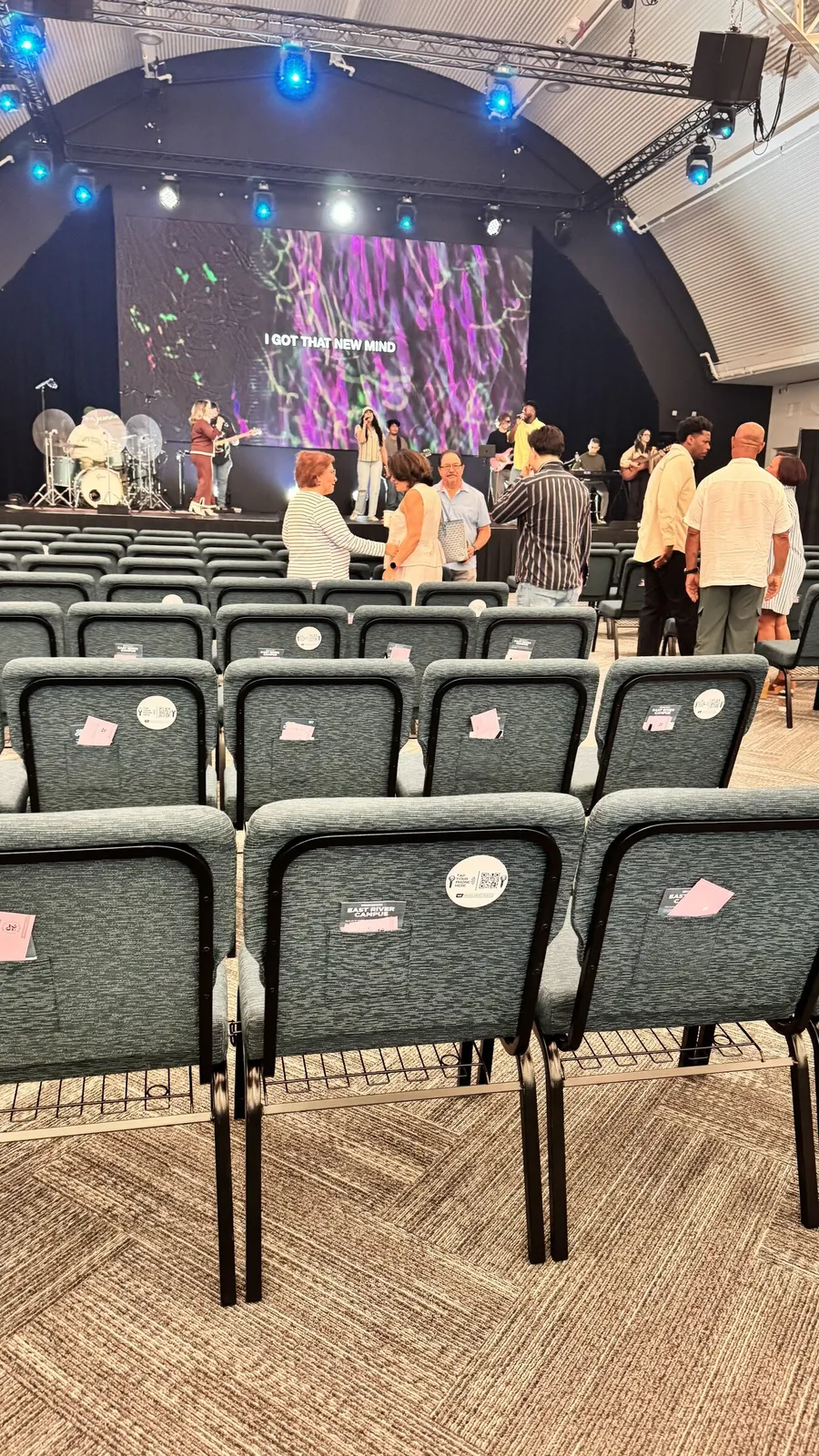
A generosity series lands when the response happens in the room, not as homework for later.
A fall generosity series is a six-week teaching and giving push, running from Labor Day weekend to a Commitment Sunday in mid-October. Plan it in three two-week arcs: vision, teaching, and invitation. Churches that pair the series with NFC tap to give plates from Tap.Giving reach higher in-service participation, because the moment someone is moved to give, they can give right there.
Key facts
- A fall generosity series runs 6 weeks, from Labor Day weekend through a mid-October Commitment Sunday.
- Structure it in three 2-week arcs: vision, teaching, then invitation.
- Tap.Giving plates cost $3.50-$5.00 each, one-time, with free shipping and no monthly fees.
- Order plates 2-3 weeks before your kickoff so they are mounted before week one.
See your church's plate and price in 30 seconds
Design it yourself on the next page. From $3.50 per plate, free shipping, no monthly fees.
What Is a Fall Generosity Series, and Why Does It Work?
A fall generosity series is a short, focused season, usually six weeks, where the whole church teaches, tells stories, and invites people toward generous giving, ending on a single Commitment Sunday. It is not a fundraiser bolted onto a normal fall. It is the fall.
It works because timing and clarity do most of the heavy lifting. Attendance rebounds after Labor Day, families settle back into a rhythm, and budgets reset for the school year. A church that names generosity clearly in that window, instead of hoping the plate fills itself, gives people a reason and a moment to act.
The gap you are closing is real and measurable. That difference is rarely conviction and almost always friction: no clear ask, no easy way to respond in the moment. A generosity series fixes the first, and contactless giving fixes the second. This is where digital giving for churches stops being a website nobody visits and becomes a decision people make in the room.
The 6-Week Plan: Labor Day to Commitment Sunday
Run the series in three two-week movements: vision, teaching, and invitation. Each week gets one theme, one Scripture, and one on-stage moment. If you need help choosing the passages, these Bible verses for the offering map cleanly to the vision, teaching, and invitation arc. Copy the table below into your planning doc and assign an owner to every row.
| Week | Theme | On stage this Sunday | Behind the scenes |
|---|---|---|---|
| 1 (post-Labor Day) | Vision: why we give | Cast the vision. Name the series and the Commitment Sunday date out loud. | Plates mounted and tested. Ushers trained. |
| 2 | Vision: the story | Share one ministry story that giving made possible last year. | Draft the giving-page audit. Confirm mobile checkout works. |
| 3 | Teaching: the heart | Teach what Scripture says about money. Demo one tap from stage. | Post a short how-to-give reel to social and the app. |
| 4 | Teaching: the practice | Teach a next step: first-fruits, recurring, or a first digital gift. | Send a mid-series email with the giving link and a tap explainer. |
| 5 | Invitation: the warm-up | Preview Commitment Sunday. Hand out or point to commitment cards. | Brief every volunteer on the one-sentence Sunday ask. |
| 6 (Commitment Sunday) | Invitation: the ask | Make the direct ask. Give people a moment to tap, commit, or set up recurring. | Capture the result. Queue the thank-you for that week. |
The single most important row is week one: the plates must be in the seats before you cast the vision. If you announce a generosity series and then ask people to give on a website they cannot find, you lose the very momentum you built. For the announcement moment itself, our stage-announcement guide has the full script.
What Do You Say From Stage Each Week?
A generosity series lives and dies on the thirty seconds before the offering. Vague words ("give if you feel led") get vague results. Specific words, repeated all six weeks, train a room. Here are three word-for-word scripts you can adapt.
Week 1, the vision cast
“For the next six weeks we are talking about generosity, and it ends on October 19th, our Commitment Sunday. Every seat has a small plate on it that says Tap to Give. Hold your phone near it and your giving page opens, no app, about eight seconds. You do not have to do anything today. I just want you to know it is there.”
Week 3, the live demo
“Let me show you. I am holding my phone to the plate on this chair right now. See the banner? I tap it, our giving page opens, I pick an amount, and I am done. That is tap to give. If you have never given here before, that is the easiest first step there is.”
Week 6, Commitment Sunday
“Today is the day we ask you to respond. If you can, take the next step right now: tap the plate in front of you, or set up recurring giving so it happens every month without you thinking about it. Whether you call it tap to give or tap to donate, the point is the same, generosity you decide on once and live out all year.”
Notice the pattern: name the tool, remove the excuse, make one clear ask. If you want the volunteers at the doors saying the same thing, our 15-minute usher training hands them the exact answers to the questions guests ask.
Need plates in the seats before your fall kickoff?
See pricing →Where Do NFC Tap Plates Fit Into the Series?
Right at the response. A generosity series creates a moment of willingness, and NFC giving turns that willingness into a completed gift before it fades. When a member is moved during week six and reaches for a way to act, a plate on the seat is the shortest path there is. Of all the church giving technology you could add for a fall push, a plate is the one that meets a person in the exact second they decide.
Here is the mechanics, plainly. Each NFC tap plate holds one thing: your existing giving page URL. A member taps their phone, their browser opens that page, and they give with Apple Pay, Google Pay, or a card in about eight seconds. No app to download, no line at a kiosk, no QR code to focus a camera on. If a phone can tap to pay at a store, it can tap and give at church. Our plain-English walkthrough covers exactly what happens on the phone.
Why it lifts a series
- Response happens in the room, not later at home
- First-time givers do not need an account or app
- NFC is fewer steps than a QR code
- Works with the platform you already use
What you keep as-is
- Your giving platform: Tithely, Pushpay, Subsplash, Donorbox, Givelify, Anedot
- Your receipts, reporting, and donor records
- Your bank deposit schedule
- Tap.Giving never touches the money
That last point matters for a nervous treasurer: Tap.Giving is hardware, not a payment processor. The plates are a signpost pointing at a URL you already own. If tap to give is new to your team, the fall technology rollout guide pairs well with this series, and the how it works page answers the device questions in one place.
How Do You Set a Realistic Commitment Sunday Goal?
Set the goal from the gap, not from a wish. Start with your adult attendance and the willingness-versus-action gap, then aim to close part of it during the series.
Worked example: a 200-adult church
- 200 adults attend. About 60% are willing to give digitally, so roughly 120 are open to it.
- The gap is 72 people who are willing but not yet giving digitally.
- A realistic series goal is closing half of that gap: 36 new digital givers by Commitment Sunday.
Now the hardware math, because it is smaller than most pastors expect. That same 200-seat church orders 200 plates at $4.00 each, which is $800 one-time. During the 7-day offer, the first order is $720. There is no second year, no renewal, and no per-transaction fee from us. Compare that to a monthly software subscription and the one-time pricing pays for itself the first fall.
Track the number in your existing platform, not a spreadsheet you will abandon by November. Report it from stage the week after Commitment Sunday. People give again to a church that tells them what their generosity did.
How Do You Keep the New Givers Afterward?
The first 30 days after Commitment Sunday decide whether a one-time gift becomes a habit. A series that ends with silence teaches people that their gift did not matter. A series that ends with a warm follow-up teaches the opposite.
The 30-day follow-up checklist
- Week 1: Thank every new giver by email the same week they give.
- Week 2: Invite one-time givers to set up recurring giving in your platform.
- Week 3: Report the series result from stage with one specific number.
- Week 4: Leave the plates up. Fall giving should become the new normal, not a stunt.
For the thank-you itself, do not start from a blank page. Our new-giver thank-you email sequence is copy-paste ready, and it flows naturally into a year-end giving strategy since your Commitment Sunday lands weeks before the December surge. Keeping in-service giving warm through the fall is what carries the series into the new year.
Ready to run your fall generosity series?
Get NFC tap plates in the seats before week one. One-time hardware cost, no monthly fees, works with the giving platform you already use. Order 2-3 weeks ahead of your kickoff.
Start a quote to get 10% off for 7 days
FAQ: Running a Fall Generosity Series
How do I plan a fall generosity series for my church?
Build a 6-week arc from Labor Day weekend to a mid-October Commitment Sunday. Use three 2-week movements: vision, teaching, and invitation. Assign one theme, one Scripture, and one on-stage moment per week, then order NFC tap plates 2-3 weeks ahead so they are mounted before week one.
When should a fall generosity series start?
Most churches start the weekend after Labor Day, when attendance rebounds from summer, and finish on a Commitment Sunday in mid-October. That gives you six full Sundays before the holiday season and time to follow up with new givers before year-end giving begins.
What is a Commitment Sunday?
Commitment Sunday is the culmination of the series, the one weekend you make a direct, specific ask. People commit to give, set up recurring giving, or tap a plate for a first gift right there in the service.
How do NFC tap plates help during a generosity series?
Plates remove the friction on the exact weekend you are asking people to respond. A member taps their phone on a plate, their existing browser opens the church giving page, and the gift completes in about eight seconds with no app to download. Because the response happens in the moment, the series ask converts far better than pointing people to a website for later.
How much do NFC tap to give plates cost for a fall series?
Tap.Giving plates are a one-time purchase: $5.00 each for 100-199, $4.00 for 200-399, and $3.50 for 400 or more, with free shipping and no monthly or transaction fees from us. A 200-seat church spends $800 once for 200 plates, and the first-order discount is 10% for 7 days from the quote. See the full pricing page for quantity breaks.
How do I keep new givers after Commitment Sunday?
The first 30 days decide whether a one-time gift becomes a habit. Send a same-week thank-you, invite new givers to set up recurring giving in your existing platform, and report the series result from stage. For context on the practice itself, Wikipedia has a plain overview of tithing.
Related Articles
How to Announce Digital Giving From Stage
The word-for-word script for introducing tap to give on a Sunday without making it feel awkward.
PlaybookTrain Ushers and Greeters on Tap to Give in 15 Minutes
The 15-minute drill that turns your greeters into the reason contactless giving works in your room.
SeasonalYear-End Giving: An NFC Strategy for December
Carry your fall momentum into the December surge with a plan for the highest-giving weeks of the year.