How to Keep Church Giving Steady Through the Summer Slump
Church giving usually drops in summer because worship attendance falls about 20% while payroll, utilities, and the mortgage hold steady. The fix is to stop tying giving to attendance: move regular givers to recurring gifts (recurring givers donate about twice as much per year), then make in-person giving frictionless with NFC tap-to-give plates so the smaller summer crowd still gives in one tap.
Typical summer drop in worship attendance
Recurring givers give about twice as much per year
nothing for a visitor to download
See your church's plate and price in 30 seconds
Design it yourself on the next page. From $3.50 per plate, free shipping, no monthly fees.
Why Church Giving Drops Every Summer
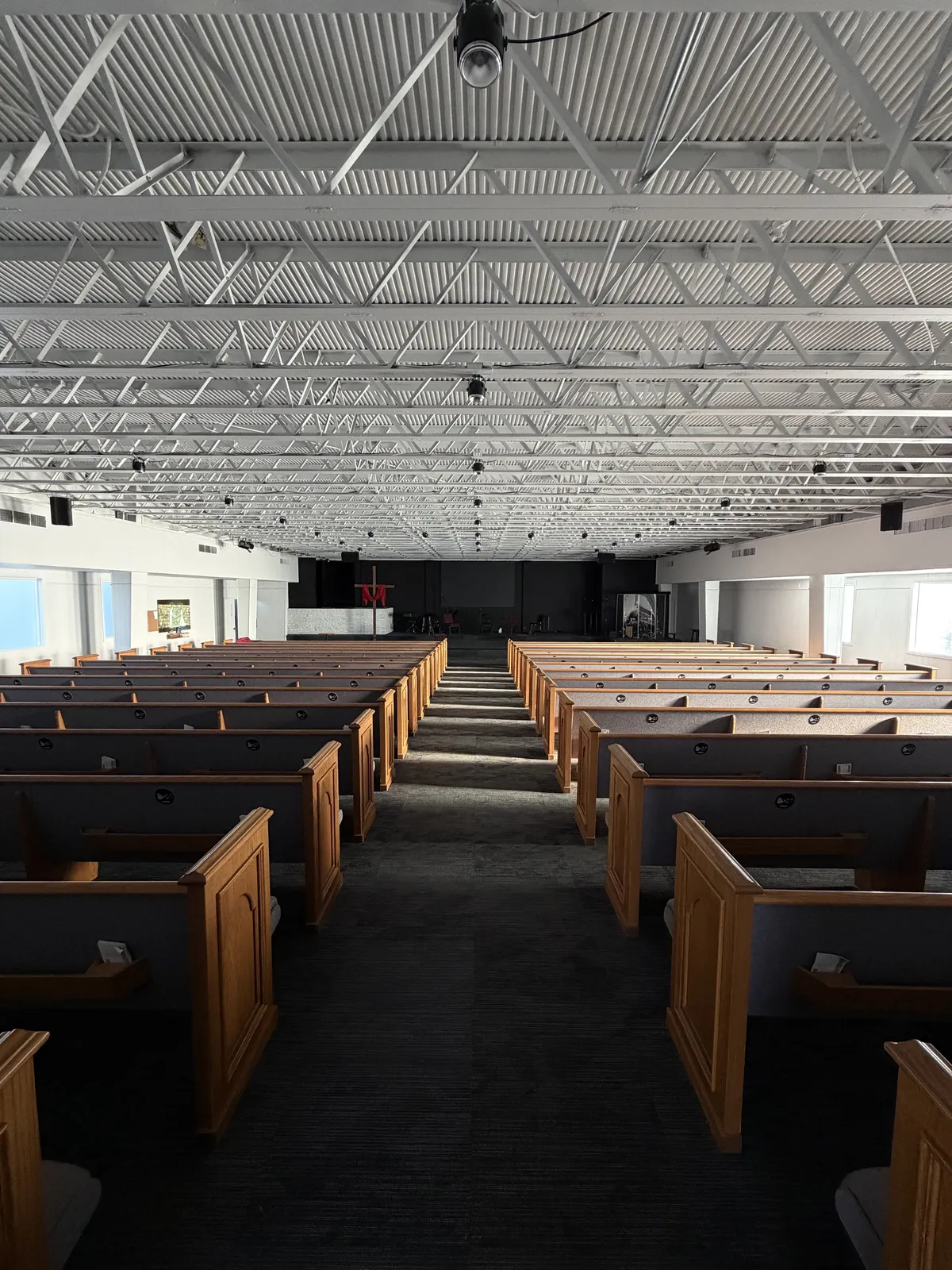
You already know the pattern. School lets out, families scatter to the lake and the ball field, and by the second Sunday in July the sanctuary feels roomy. Church leaders widely report a typical summer worship-attendance drop of about 20%, and churches in college towns or snowbird regions can see far larger swings. When most of your giving still arrives in person on Sunday, a thinner crowd means a thinner offering.
The trap is that expenses do not take the summer off. Payroll, utilities, insurance, and the mortgage all hold steady while the offering dips, so a few light weeks in a row can put a real dent in the budget right as you are planning fall ministry. This is the summer giving slump, and it is predictable enough that you can plan around it instead of scrambling in August.
The good news: the slump is a giving-behavior problem, not a generosity problem. People who love your church in June still love it in July. They are just not in the room to drop something in the plate. If you want the deeper diagnosis and a wider set of tactics, our full summer giving slump playbook breaks down seven strategies. This guide zooms in on the one shift that moves the needle most.
The Real Fix: Stop Tying Giving to Attendance
Almost every summer-giving tactic is a variation on one idea: break the link between being in the building and being able to give. As long as giving depends on physical presence, giving will rise and fall with attendance, and summer will always sting.
There are three groups to serve, and each needs a different door into giving. Regular givers need a way to keep giving automatically whether they show up or not. The members who are in the pews on a light Sunday need the fastest possible way to give while they are thinking about it. And the families on the road need a link they can use from anywhere. Cover all three and your giving stays flat through the summer instead of dropping.
The rest of this guide is a three-step plan built on that idea: recurring giving for your regulars, contactless tap to give (sometimes called tap to donate) for the in-person crowd, and an easy giving link for members who are away. Digital giving for churches is not about chasing a trend. It is about making sure a generous heart is never blocked by a logistics problem.
Step 1: Move Regular Givers to Recurring Before Summer
Recurring giving is the single most effective defense against the summer slump, and it is not close. When a member sets up an automatic weekly or monthly gift, their generosity no longer depends on whether they made it to church on any given Sunday. The gift lands whether they are in the third row or on a beach in Florida.
The numbers back it up. Studies of church donors show that recurring givers donate roughly twice as much per year as occasional givers, according to Vanco's giving research. Recurring donors are also more predictable, which makes budgeting far less nerve-racking in July. A church that spends spring inviting people into recurring giving walks into summer with a floor under its offering.
You do not need new software to do this. Your current platform, whether that is Tithely, Pushpay, Subsplash, Donorbox, Givelify, or Anedot, already supports recurring gifts. The work is pastoral, not technical:
- Preach one honest message in May about generosity as a year-round practice, not a seasonal one.
- Make the invitation concrete: "Before you leave for vacation, set up a recurring gift so your giving keeps pace with your commitments."
- Give people a giving link in the bulletin, the app, and a mid-week text so they can act in the moment.
- Thank every new recurring giver personally in the first week. It is the best time to reinforce the decision.
For more on lifting giving without turning every service into a money talk, see our guide on how to increase church giving without talking about money and our overview of how to increase online giving at your church.
Need plates for your church before summer travel season?
See pricing →Step 2: Make In-Person Giving Frictionless for the Summer Crowd
Recurring giving covers your regulars. But there are still people in the pews on a quiet July Sunday, and a smaller crowd is exactly why in-person giving has to be easy. When 160 people are present instead of 200, you cannot afford to lose a single gift to a fumbled QR code, a forgotten checkbook, or an "I will do it online later" that never happens.
This is where NFC tap plates earn their keep. A member holds their phone near a small plate on the pew or chair back, their giving page opens in the phone's browser, and the gift is done in about eight seconds. No app to download, no login, no typing a URL. It is the same motion as tapping a card at a coffee shop, which is why tap to give runs fewer steps than a QR code
Tap.Giving sells the hardware only. We are not a payment processor. The plates simply open the giving page you already have, so the money, the receipts, and the reporting all stay on your current platform. Because giving becomes a single tap, more of your lighter summer congregation actually completes the gift they intended to make. If you want the mechanics, our post on how tap to give works for churches walks through it, and ways to increase in-service giving covers the on-Sunday habits that make it stick.
Small churches sometimes assume this is only for big rooms. It is the opposite. When you have fewer seats, capturing every gift matters more, not less. See NFC giving for small churches for how a 100-seat congregation makes the math work.
Step 3: Let People Give While They Are Away
The last group is the one that causes the slump in the first place: the members who are simply not there. A family at a cabin for three weeks is not choosing to stop giving. They just do not have the plate in front of them, and out of sight becomes out of mind.
The same giving page your plates open works from any phone anywhere, so the tools here are gentle reminders, not new technology. A short mid-week text with a direct giving link. A one-line note in the email newsletter. A recurring gift set up before they leave (which loops back to Step 1). The goal is to keep the giving link one tap away no matter where a member spends their Sunday.
A church can also use a short, memorable link on the screen and in print so nobody has to hunt for how to give. Contactless giving works the same whether the member taps a plate in the building or taps that link from a lawn chair. For the platform-specific side of getting a clean mobile giving page, our guide to increasing church digital donations without an app covers the common fixes.
More Ways to Steady Summer Giving (No New Tech Required)
Technology closes the gap, but the summer slump is a people problem too, and some of the most effective fixes cost nothing. Do these alongside recurring giving and you protect the message, not just the mechanics.
Keep small groups meeting through the summer.
Church-leadership surveys find that congregations which pause groups for the summer see attendance declines greater than 20%, while those that keep groups active dip far less, per Church Answers research. Connected people keep showing up, and people who show up keep giving.
Add a summer on-ramp instead of ramping down.
Vacation Bible School reliably lifts attendance for a couple of weeks, and a short summer sermon series or a guest speaker gives regulars a reason not to skip. A fuller room simply gives more than an empty one.
Report giving honestly, in plain numbers.
A simple monthly update ("here is where we are against the budget") in the bulletin or email keeps generosity top of mind. People give to what they can see, and silence tends to read as "everything is fine."
Send a mid-summer thank-you with a real story.
Gratitude plus a concrete outcome ("your giving sent 40 kids to camp this month") re-engages the members who are traveling. It is a thank-you, not an ask, which is exactly why it lands.
Plan the budget for the dip in spring.
The slowdown is predictable, so set aside a small reserve earlier in the year and tell your team the pattern is coming. A planned dip is a cash-flow note, not a crisis, and it keeps you from cutting ministry in a panic.
None of these require new hardware. Pair them with recurring giving and a frictionless way to give in person, and you have covered both the message and the mechanics of a steady summer.
Your Summer Steady-Giving Checklist
Here is the whole plan on one page. Ideally you finish it before Memorial Day, but any of it started mid-summer still helps, and it sets you up for a strong fall and year-end.
Do this in spring
- Preach one message on year-round generosity
- Invite regular givers to set up recurring gifts
- Order NFC tap plates (typical delivery 2-3 weeks from artwork approval)
- Mount plates and run a 30-second Sunday demo
Do this all summer
- Send a mid-week text with the giving link
- Thank new recurring givers personally
- Keep the tap-to-give plates visible at every seat
- Report giving honestly so people stay engaged
The one-time cost is modest. A 150-seat church ordering 150 plates pays 150x $5.00 = $750 once, with free shipping. There is no monthly fee and no transaction fee from us, so the same plates carry you through next summer and the one after that. This is the tap and give habit that quietly protects the budget. When fall arrives, the same setup powers your year-end giving push, too.
Keep your giving steady this summer
One-time hardware cost. No monthly fees. Works with the giving platform you already use. Most churches are tapping by week three.
Start a quote to get 10% off for 7 days
FAQ: Keeping Church Giving Steady in Summer
How much does church giving really drop in summer?
Church leaders widely report a typical summer worship-attendance drop of about 20%, and giving usually falls with it because a large share of donations still happen in person on Sunday. Churches in college towns and snowbird regions often see steeper swings. The dollar impact matters most because expenses like payroll, utilities, and the mortgage stay flat through the summer even when the offering dips.
What is the single best way to keep giving steady in summer?
Recurring giving. When a member sets up an automatic weekly or monthly gift, their giving no longer depends on whether they are in the building on any given Sunday. Studies of church donors show recurring givers donate roughly twice as much per year as occasional givers, which is why moving people to recurring before summer starts is the most effective single step you can take.
Do NFC tap-to-give plates help if attendance is down?
Yes, because a smaller crowd makes every in-person gift matter more. NFC tap plates let the members who are there give in about eight seconds with no app and no login, so you capture the full offering from a lighter summer congregation instead of losing gifts to fumbled QR codes or an "I will do it later" that never happens. Tap-to-give also runs fewer steps than a QR code.
How can members give while they are traveling in summer?
The same giving page your NFC plates open also works from a phone anywhere in the world. Encourage members to bookmark it or set up a recurring gift before they leave, and send a short mid-week text or email with the direct giving link. Because Tap.Giving is hardware that points at your existing platform, giving from a lake house is identical to giving from the pew.
When should we set all of this up before summer?
Aim to have recurring-giving invitations out and any new plates mounted before Memorial Day. Plates ship free with a typical delivery 2-3 weeks from artwork approval window, so ordering in early spring leaves room for a proof, mounting, and a Sunday demo before travel season peaks. If summer is already underway, it is still worth doing: the fall and year-end seasons benefit from the same setup.
Does adding tap-to-give mean switching giving platforms?
No. Tap.Giving sells NFC tap plates, not a payment processor. The plates open whatever giving page you already use, including Tithely, Pushpay, Subsplash, Donorbox, Givelify, and Anedot, so your recurring schedules, receipts, and reporting all stay exactly where they are. You are adding a frictionless way to reach your giving page, not replacing anything. Browse all supported platforms to confirm yours.
What does it cost to add tap-to-give plates?
Plates are a one-time purchase: $5.00 each for 100-199, $4.00 each for 200-399, and $3.50 each for 400 or more, with free shipping and no monthly or transaction fees from us. A 200-seat church spends $800 once. See the full pricing page and Start a quote to get 10% off for 7 days.
Related Articles
Beat the Summer Church Giving Slump
The wider playbook: seven strategies for holding giving steady when attendance dips in the summer months.
GuideWays to Increase In-Service Giving
The on-Sunday habits and tools that turn a lighter crowd into a full offering.
StrategyYear-End Giving NFC Strategy
Carry the same setup into the biggest giving season of the year and finish strong.